
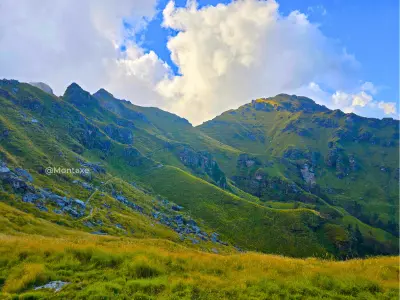
Difficulty: Moderate to Difficult
The Rudranath trek is considered toughest among the panch kedar temples. It is considered as a moderate to challenging trek, depending on the route you take and your fitness level.
What Makes It Hard
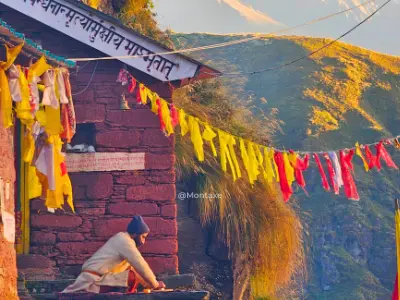
Altitude: Temple area is 3,600 m; highest point (Pitradhar) is 4,000 m.
Steep Sections: The climb from Pung Bugyal → Lyuti Bugyal and Lyuti → Panar feels exhausting.
Water Gap: Between Lyuti Bugyal and Panchganga there is usually no water. You must carry enough from Lyuti.
Day-wise Effort (via Sagar → Lyuti → Panar → Rudranath)
Day 2 (Sagar → Lyuti Bugyal): ~7–8 km, 5–6 hours. Continuous forest climb; 900 m elevation gain.
Day 3 (Lyuti → Panar → Pitradhar → Panchganga → Rudranath): 12 km. Steep first hour to Panar; gradual ridge walk to Pitradhar (highest point), then descent to Panchganga and a final route to the temple.
Day 4 (Rudranath → Sagar): Long return day. Mostly descent via the same route (Panar → Lyuti → Pung → Sagar). This is tiring on knees and ankles.
Terrain and Trail
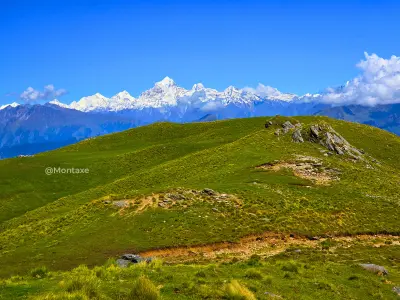
Underfoot: Stone-paved village path, forest trail, meadow (bugyal) grass, and ridge sections.
Exposure: Ridge near Pitradhar can be windy. The path is well used and easy to follow in clear weather.
Camping Rule: Camping at Panar Bugyal is banned. Teams usually camp at Lyuti Bugyal.
Season and Difficulty
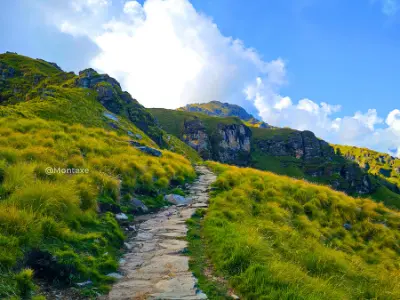
Summer (Apr–Jun): Most popular and generally easier. Trails are drier, weather is friendly, and views are clear. Rhododendrons bloom in early April.
Monsoon (Jul–Sep): Hardest. Muddy and slippery trails, fog, and frequent rain. Fewer crowds; brief clear windows can give dramatic views.
Autumn (Oct–Nov): Best overall. Stable weather, crisp skies, dry paths, and sharp mountain views.
Winter: Temple is closed. Heavy snow covers the route.
Water and Resupply
Fill at Lyuti Bugyal for the long dry stretch to Panchganga (the next reliable source).
Seasonal dhabas may appear at Pung Bugyal, Kalchant Bugyal, and Mauli Kharak for tea/snacks in main seasons.
Permits and Checks
Forest Check Post at Sagar: Entry formalities for Kedarnath Wildlife Sanctuary. Forest fee is taken. Plastic carried is recorded and must be brought back.
Who Can Do This Trek?
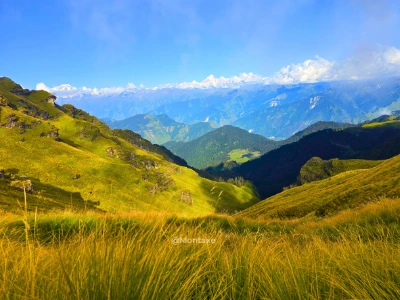
- People who can walk 6–8 hours a day with a daypack.
- Able to handle 1,000 m of ascent in a day and a long descent day.
- First-timers with basic fitness can do it with a guide, but prior hiking helps. (Our experts at Montaxe can help you plan this.)
Preparation Tips
Fitness: Build leg strength and stamina (walk/jog, stairs, light squats) 4–6 weeks before.
Pace and Acclimatization: Go slow on climbs. Rest at Lyuti Bugyal helps acclimatization.
Hydration: Carry 2–3 litres on the Lyuti → Panchganga section.
Gear: Good trekking shoes, trekking pole, rain jacket, warm layers, headlamp.
Altitude Health
Watch for signs of Acute Mountain Sickness (headache, nausea, unusual fatigue).
If symptoms rise, rest, hydrate, and descend if needed. Do not ignore persistent symptoms.
Temple Opening/Closing Note
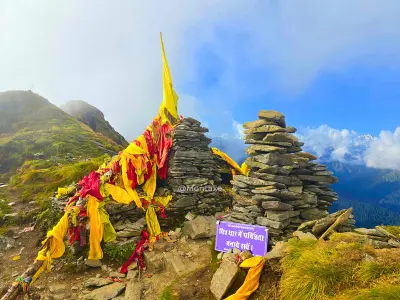
The temple usually opens in April/May and closes in October/November. In winter, the chal-vigrah doli of Rudranath is moved to the Gopinath Temple (Gopeshwar), where worship continues until the kapat opens again.
